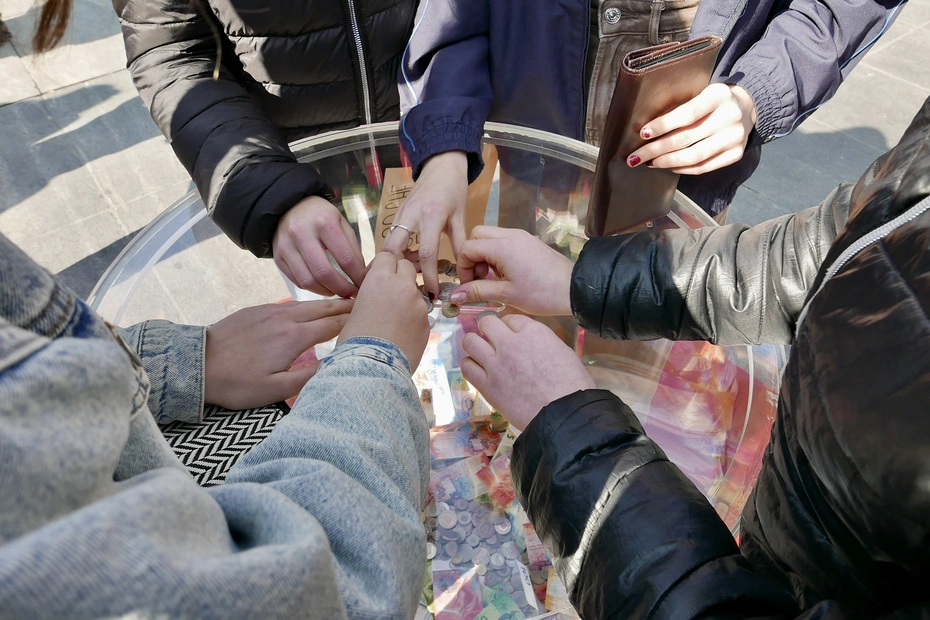
Key findings from the 2026 Solidarity Survey
80 years after Swiss Solidarity was founded, we wanted to know: How strong is solidarity in Switzerland today? The 2026 edition explores how important solidarity is to the population, how it is expressed, and how the growing number of crises affects people’s willingness to help. The results show that solidarity remains deeply rooted, while the need for guidance and visible impact is increasing.
Finding No. 1 – Solidarity is deeply rooted
95% of the population consider solidarity important for social cohesion. This broad consensus extends across generations and different population groups. At the same time, only 68% perceive Swiss society as a whole to be solidary.
Finding No. 2 – No widespread crisis fatigue
86% of respondents feel that the number of crises has increased in recent years. Despite this, willingness to donate remains strong: for 60% it has remained unchanged, while for 28% it has even increased. Only 8% report a decline.
Finding No. 3 – Crises are changing how people help
The growing number of crises is leading people to be more selective about the causes they support. 78% say they weigh their choices more carefully, and 61% sometimes wonder whether their help is really making a difference. The challenge therefore lies less in a lack of solidarity than in a growing need for guidance.