


Tremendous Solidarity Across Switzerland
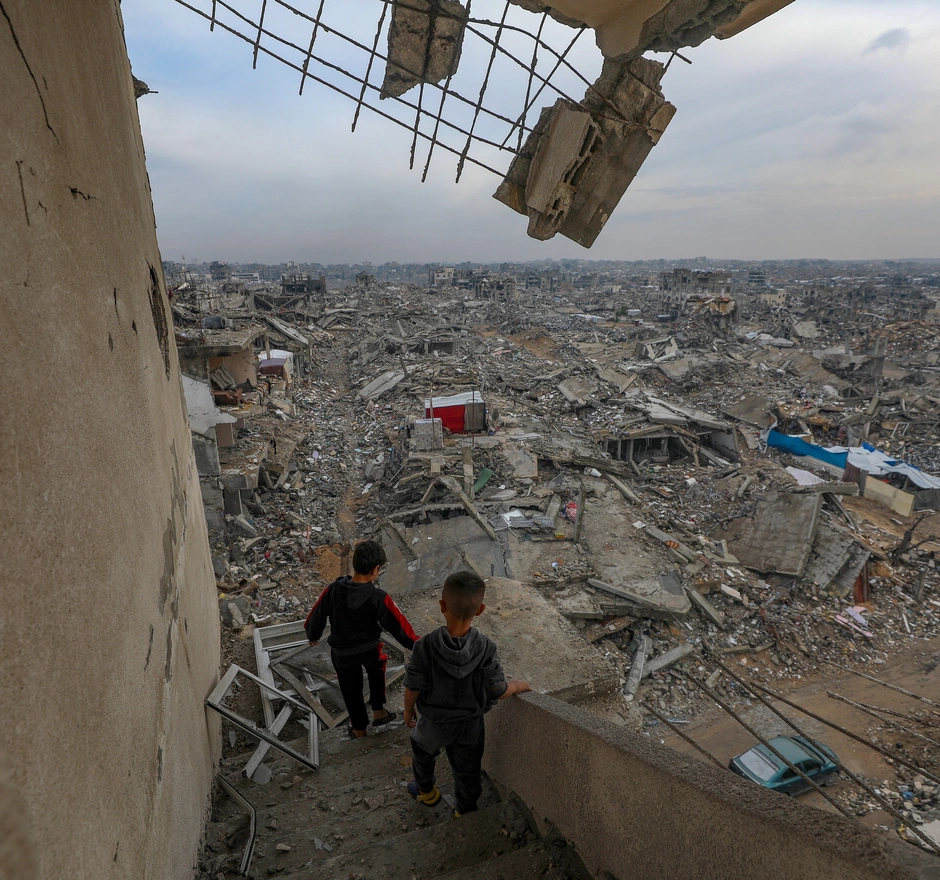
The ceasefire and partial opening of border crossings in October 2025 offered the first real hope of significantly expanding humanitarian aid. During the two preceding years, aid organisations had only been able to reach people in Gaza under severe restrictions.
Faced with overwhelming need, Swiss Solidarity launched a fundraising campaign for Gaza. Together with SRG SSR and numerous regional radio stations, it organised a national day of solidarity on 22 October 2025. Swiss President Karin Keller-Sutter opened the day on SRF radio. In Geneva, Zurich, Lugano, and Chur, numerous volunteers and public figures participated and called for donations. On that day alone, 4.5 million francs were raised.
In total, since the campaign launched in October 2025, nearly 6.3 million francs have been donated for the population in Gaza.
What the Donations Achieve
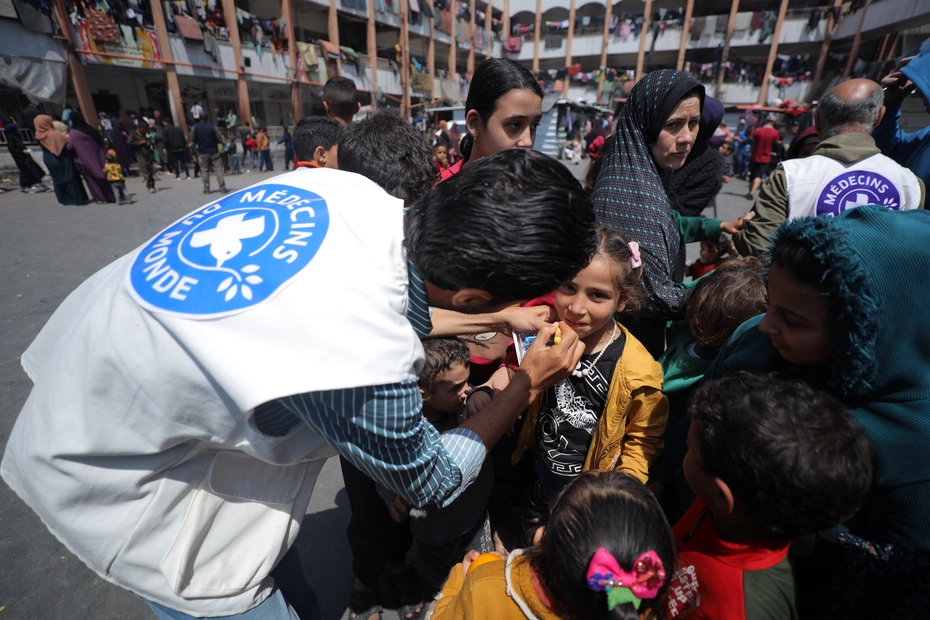
Thanks to this solidarity, Swiss Solidarity's partner organisations were able to launch twelve humanitarian aid projects. These include Frieda, HEKS, Caritas, Médecins du Monde, Save the Children, Terre des hommes Foundation, Helvetas, and Médecins Sans Frontières.
The projects have made it possible to:
- Provide direct financial support to families so they can meet their most urgent needs;
- Supply people with food, water, shelter, and essential goods;
- Ensure access to medical care and support the operation of health facilities;
- Offer protection and psychosocial and psychological support;
- Improve hygiene and sanitation, including through water deliveries, the construction of latrines, and the distribution of hygiene kits, with particular attention to the specific needs of women and girls.
Nearly 70 per cent of the collected donations have already been allocated to aid projects. To support people facing ongoing immense need, Swiss Solidarity continues to depend on your donations.
One Year On, the Situation Remains Extremely Precarious
Despite the signing of the ceasefire one year ago, violence against the civilian population has never stopped. According to the UN Office for the Coordination of Humanitarian Affairs (OCHA), citing figures from Gaza's Ministry of Health, more than 1,400 Palestinians have been killed since the ceasefire agreement was announced in October 2025. Attacks and further military operations continue to hit populated areas, causing civilian casualties.
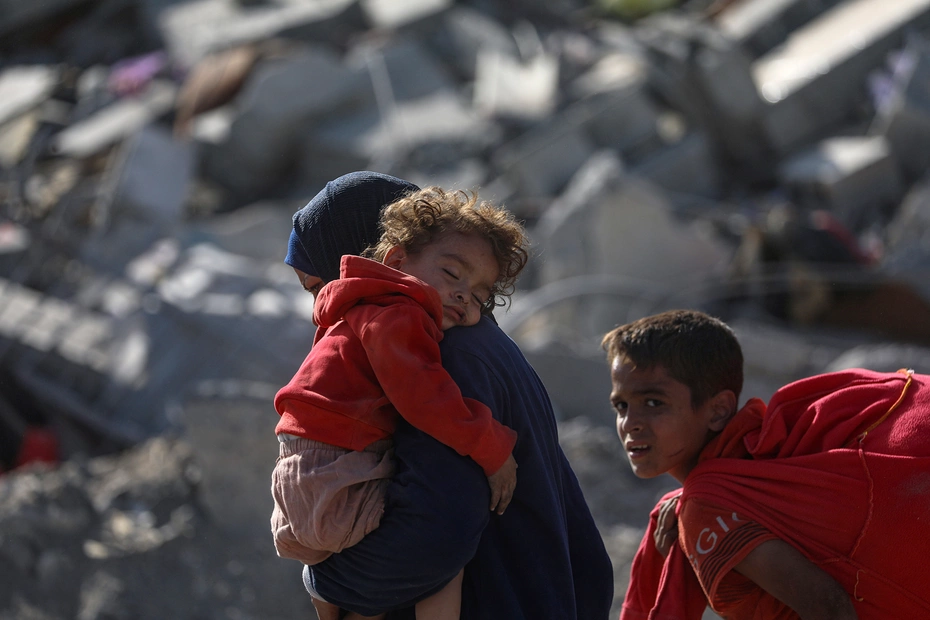
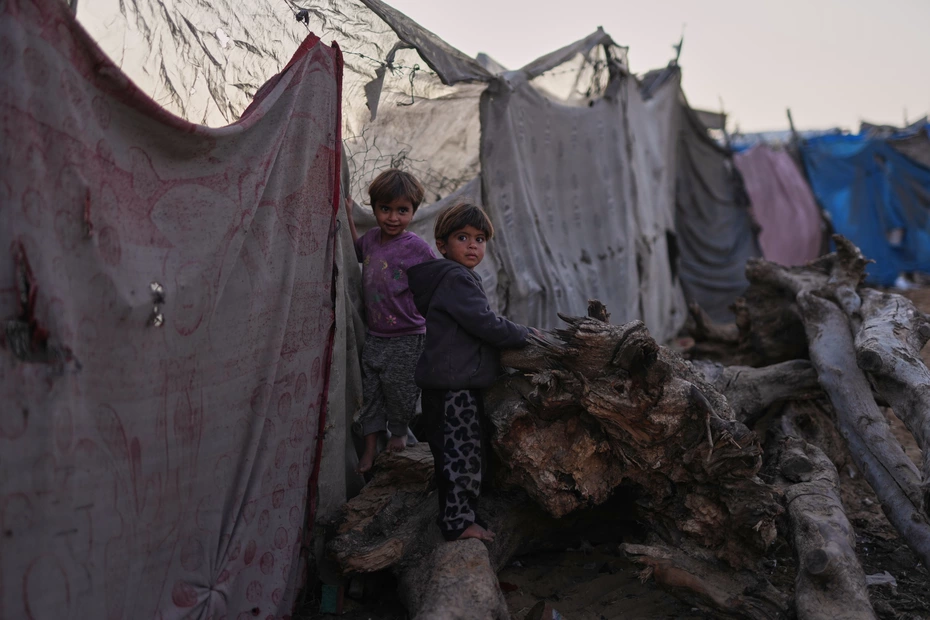
The humanitarian situation remains extremely difficult. A large proportion of Gaza's 2.1 million people remain displaced. There is a shortage of clean water, medical care, adequate shelter, and other essential goods. The ongoing lack of medicines and medical supplies also affects life-saving treatments.
The situation of displaced families is particularly alarming with winter approaching. According to the UN, 94 percent of the population urgently needs shelter and essential goods. 65 per cent of households still live in tents or makeshift shelters. At more than 200 sites housing around 235,000 displaced people, there is also a risk of flooding. Lack of financial resources and import restrictions on materials and personnel continue to severely constrain aid organisations.
Aid Since 2023
Swiss Solidarity has been supporting people affected by the crisis since October 2023. When the conflict escalated and the humanitarian situation rapidly deteriorated, it activated its emergency relief fund. A first appeal for donations followed in November.
This initial fundraising campaign for the humanitarian crisis in the Middle East raised more than 9.2 million francs. These funds financed 18 humanitarian aid projects in Gaza and three in Lebanon.
The need remains immense. Swiss Solidarity and its partner organisations are therefore continuing their support for the civilian population in Gaza.
Other situation points
All the news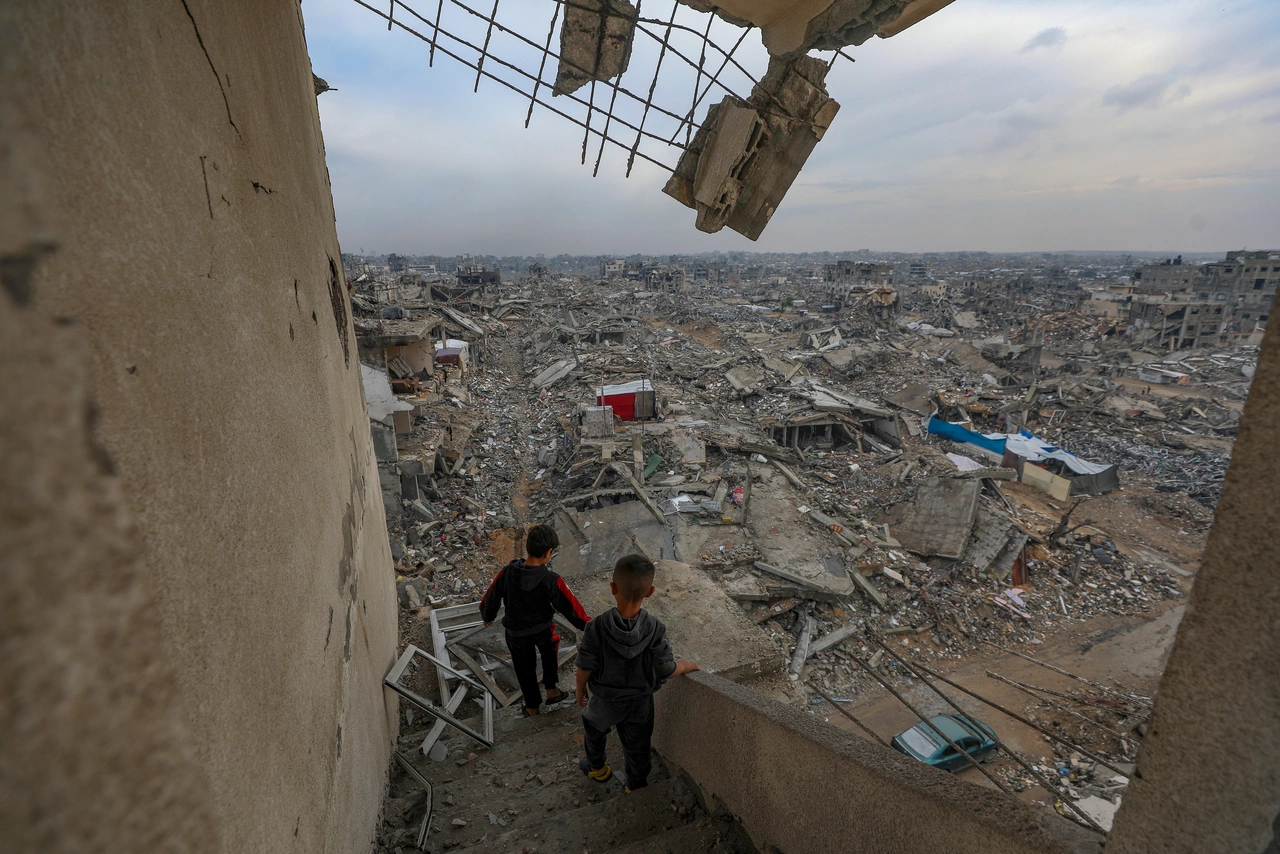
Gaza: One Year After the Ceasefire, Humanitarian Needs Remain Immense
09.10.2026One year ago, the ceasefire agreement between Israel and Hamas raised hopes for lasting calm and better access for humanitarian aid in Gaza. Thanks to tremendous solidarity from the Swiss population, Swiss Solidarity was able to strengthen its support for the civilian population. Yet one year on, violence persists and people continue to depend on extensive humanitarian assistance.