



The most extensive impact evaluation ever commissioned by Swiss Solidarity – and carried out by the renowned independent consultancy Channel Research – shows that 10 years after the devastating tsunami of 26 December 2004, almost 90% of the aid beneficiaries are now again able to cover their basic needs. Just over 10% are still facing considerable hardship. The construction of 23,000 homes has had a notably positive influence on the material, social and economic situation of the affected families. The poorest, however, are still finding it difficult to secure a long-term livelihood independent of aid.
The impact evaluation was carried out in India, Indonesia and Sri Lanka between April and November 2014, based on a desk review, previous assessments, a quantitative survey of 729 beneficiaries and a qualitative analysis with 374 interviews. It yielded different results depending on country and region. According to Channel Research project leader Adriaan Ferf: “What impact – positive or negative – the aid projects run by Swiss Solidarity’s partner relief organizations have had is extremely difficult to identify. This is because a wide range of other factors, such as new ground-breaking decisions by governments, changing economic parameters and social influences need to be taken into account.” The peace process in Indonesia (which after the disaster replaced decades of civil war) and the situation in Sri Lanka (where civil war flared up again) have left positive and negative impacts. “But the fact that 87% of the population overall are again able to cover their basic needs and just 13% are still struggling with major difficulties clearly confirms an improvement in living conditions. This in turn affects the beneficiaries’ levels of satisfaction,” Ferf adds.
In three of the 29 evaluated aid projects, no beneficial impact was in evidence. This was for varying reasons that the partner aid organizations were able to influence only to a certain degree – for example, poor building structure, lack of protective structures on the coast or poorer job opportunities in the hinterland.
Housing – a mainstay of supportAround one half of the respondents saw reconstruction of their homes as the main starting point for improvement of their living situation. The families not only regained a roof over their heads, but could also devote their time and energy to generating an income, securing schooling for their children or getting involved in the local community. The majority rate the quality, comfort and safety of their home higher than that of their former household. But the construction of communal infrastructure projects – such as village squares, market halls, evacuation centres or children’s playgrounds – has in most cases not proven to be a long-term solution. Experience shows that after a few years no one continues to assume responsibility for these buildings and facilities, even if they were of use initially.
Improving livelihoodsSwiss Solidarity has used around 178 million Swiss francs for reconstruction, of which some 15% went to aid projects in the area of livelihood support. The distribution of work equipment and tools for previous activities such as agriculture and fishing certainly has had a short-term impact. However, further support proved successful only when based on existing structures, skills and opportunities. Aid was successful where existing pre-tsunami structures for tradespeople and small business could be built upon, not only preserving jobs but also creating new employment. One third of these beneficiaries are on an equal footing, and one third on an even better footing in the labour force than before the catastrophe. But opening up new fields of work for unskilled people with no previous experience in these areas was less successful.
Swiss Solidarity’s conclusionThe results of the impact evaluation provide important insights for Swiss Solidarity. The professional and independent assessment shows that donations do make a difference, that the work carried out by partner relief organizations in the impacted regions is effective yet extremely complex and that errors of judgement may occur. Further important findings such as the significance of house building far beyond the structural measures, targeted support for the already trained workforce and the long-term lack of maintenance of public buildings will be discussed with partner aid organizations in the coming year and reflected in a new Swiss Solidarity strategy paper. “Following this analysis, we need to adapt to the changed circumstances,” says Swiss Solidarity Managing Director Tony Burgener.
Total transparencyThe conclusions of the evaluation by the independent experts at Channel Research are transparent for all stakeholders and publically accessible. The dedicated website tsunami.swiss-solidarity.org contains comprehensive information on the fundraising campaign, reporting and detailed results of the impact evaluation. With this full transparency, Swiss Solidarity wishes to send a clear signal, demonstrating that credible and transparent communication is crucial in today’s fundraising environment and also creates trust.
More press releases
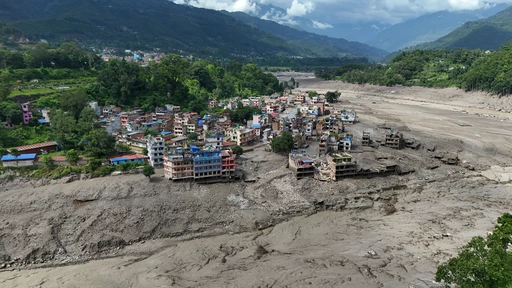
Nepal: Swiss Solidarity raises over 4 million francs one week after the disaster
02.09.2026One week after the devastating flash floods in Nepal, over 4 million francs have already been donated to Swiss Solidarity. Swiss Solidarity thanks the Swiss public for their immense solidarity and, given the enormous humanitarian needs, continues to collect donations for those affected.
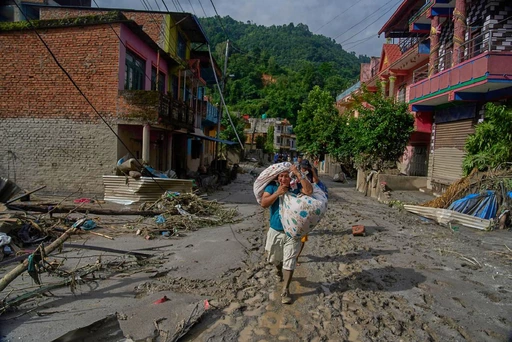
Devastating flash floods in Nepal: Swiss Solidarity launches an appeal for the affected population
28.08.2026In response to the scale of the destruction and humanitarian needs caused by the devastating flash floods that have struck Nepal, Swiss Solidarity is launching a fundraising appeal today to support the affected population.
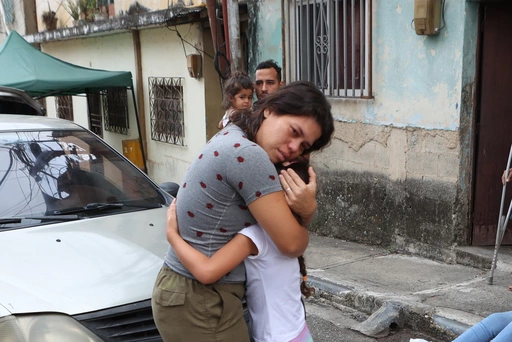
Swiss Solidarity launches an appeal for donations following the devastating earthquakes in Venezuela
25.06.2026Two powerful earthquakes, among the most violent to hit Venezuela in more than a century, struck the country on 24 June. Although the full extent of the disaster remains uncertain, initial assessments point to a very heavy human toll that could reach into the thousands of deaths. In response to this major disaster, Swiss Solidarity is launching a nationwide fundraising campaign in support of the affected population.